
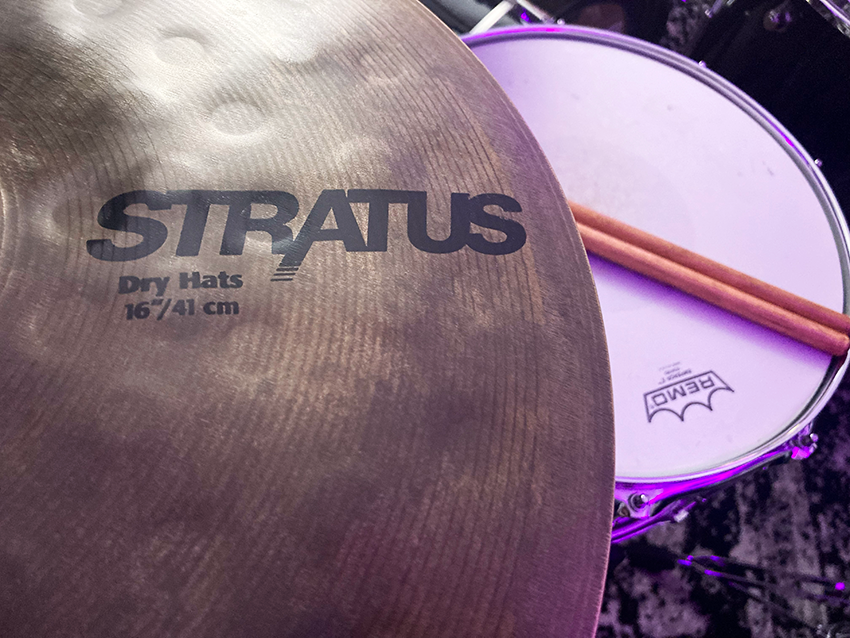
The modern drummer yearns for a cymbal that speaks clearly and leaves room for the rest of the kit to shine in the mix. This has led to dry-voiced cymbals having a moment, or perhaps a series of moments over the last few years with drummers across various genres. Sabian’s Stratus Dry line aims directly for that modern, versatile lane of cymbals while delivering a more controlled take on the typical “dry” sound.
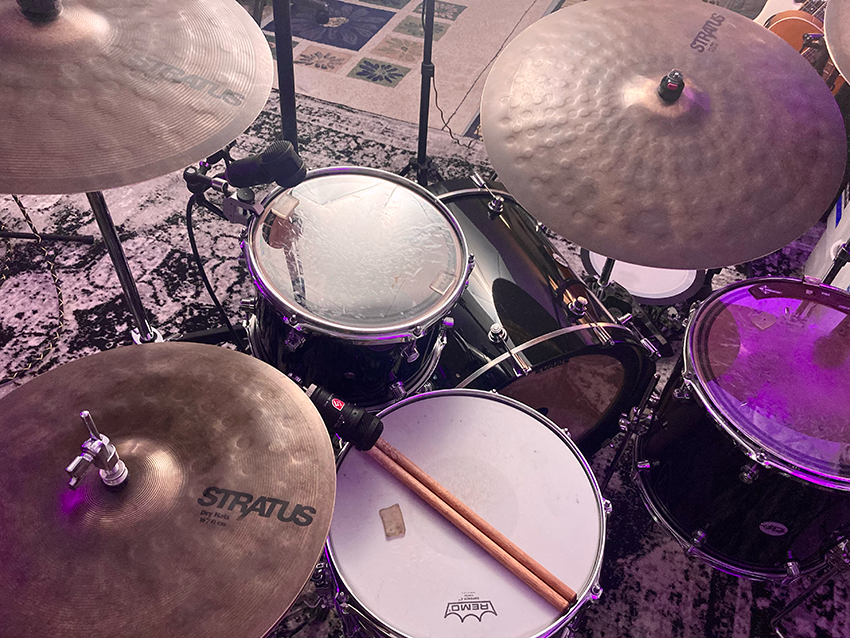
Sabian’s intent with the Stratus Dry family is clear and obvious in the first strike of the stick. These cymbals are not trying to fill every corner of the room with sound. Are they capable of that? Sure, especially the 16” hi-hats and the 24” ride. But the real goal of this cymbal family is stick definition, reduced wash, shorter sustain, and a darker, more articulate character. Whether you’re tracking in the studio, playing at church, or performing on a smaller stage, that kind of control can make a huge difference in how a cymbal sits in the mix.
Why Drummers Are Choosing Dry Cymbals
Over the last decade, cymbal preferences have shifted noticeably. Bright, explosive cymbals obviously have their place, and tons of drummers reach for those voicings first. However, many have also gravitated toward darker and more nuanced sounds that complement modern production styles. Dry cymbals fit naturally into this trend of reduced sustain while emphasizing stick definition and articulation. And though these particular dry cymbals don’t feature an “excessive” wash, there’s something really special about digging into the 24” ride with the shaft of your drumstick and washing it out as much as it will go.
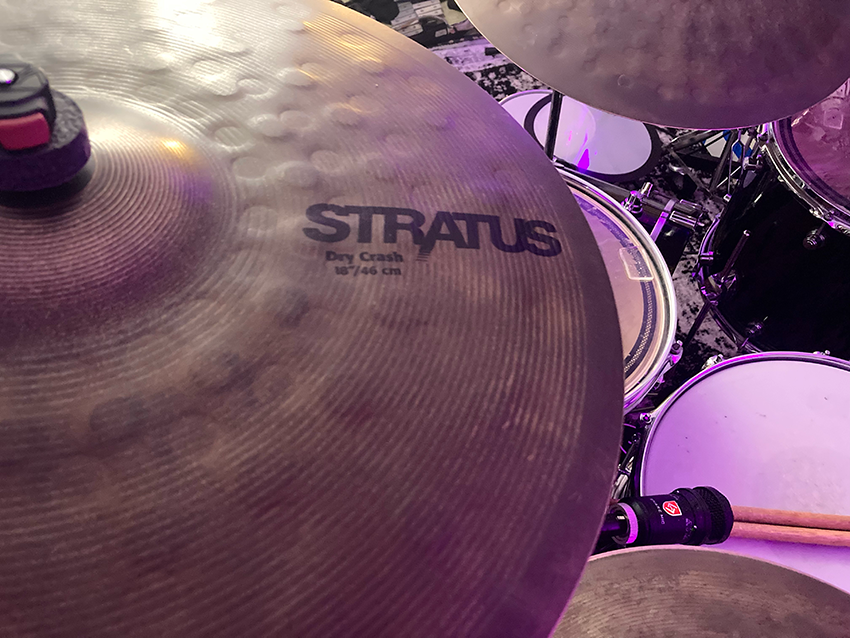
A dry cymbal leaves more sonic space for guitars, keyboards, or any other top-end instruments or vocals, making them a great option for the studio player that aims to support the overall composition. These dry cymbals have been go-tos for houses of worship for years because composition matters above all else in that type of live situation. This is the same reason why dry cymbals lend themselves so well to studio applications. At the end of the day, as a drummer, you want to support the song, but you don’t want to sacrifice the feel, or the character in your playing. That’s why dry cymbals are burgeoning in popularity, you don’t need to sacrifice anything and you’re still directly supporting the mix.
Sabian Stratus Dry cymbals are purpose-built for this environment. Rather than simply making a darker version of existing cymbals, Sabian has focused on creating these that respond quickly, decay naturally, and remain articulate at a variety of dynamics.
Built for Control without Sacrifice
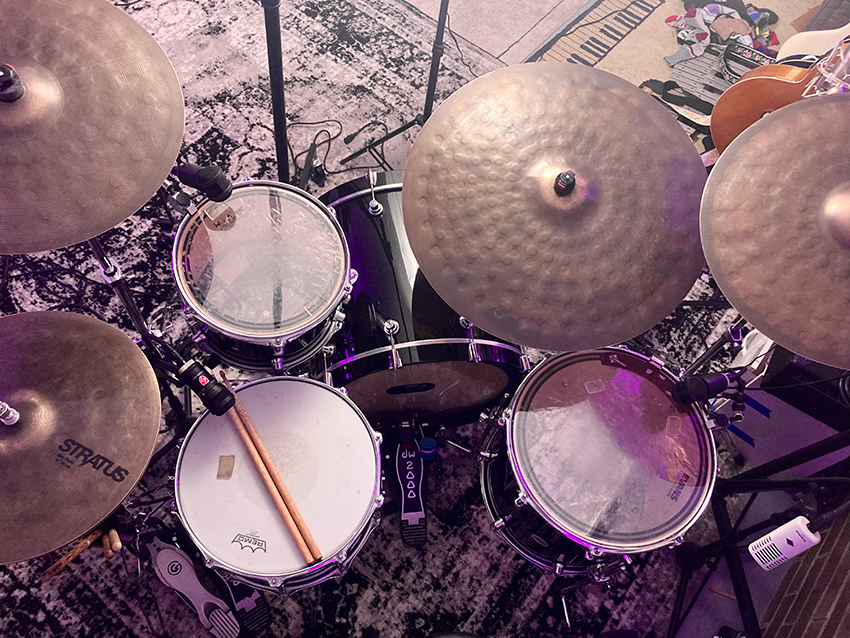
Stratus Dry ride cymbals are a great example of what makes the entire Dry line unique. Available in 22” and 24” sizes, both models offer strong stick definition with a low-pitched, warm foundation underneath. The wash is controlled, but provides enough feedback to keep the cymbal feeling alive and musical without clouding the groove or dominating the mix. The base of the bell features hammering, adding another layer of complexity and focused projection when a composition calls for it.
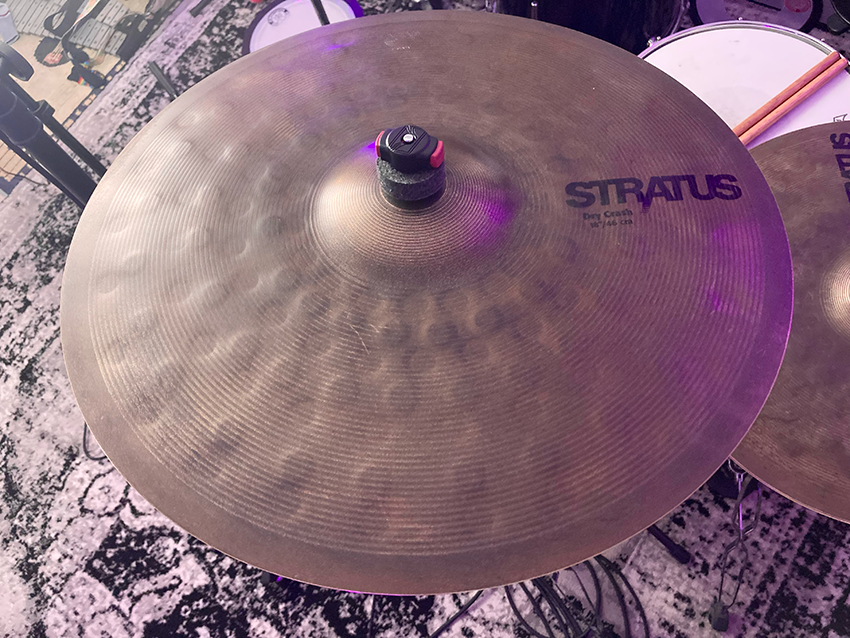
The crashes follow a similar philosophy. Three crashes are offered in 18”, 19”, and 20” sizes; they deliver a low, smoky voice with a refined, controlled decay. There’s no lingering after a strike, which makes them highly useful in recording situations where every note has a purpose. The 18″ favors speed and articulation, the 20″ offers the most body with a throaty, almost China-like wash, and the 19″ sits comfortably in between as a versatile all-around option.
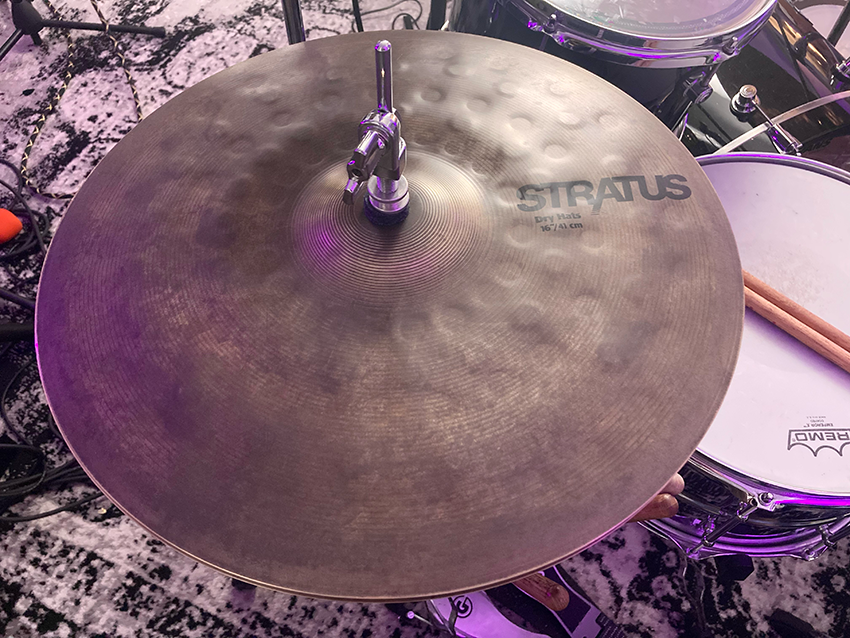
The hi-hats round out the lineup with 14″, 15″, and 16″ configurations. These configurations feature a light top cymbal and a medium-light bottom. This helps deliver warmth and articulation without the brightness you’d get from a traditional-style pair. For our demo, we were provided with the 15” and 16” varieties, and while the 15” featured a tighter overall tone and articulation, the 16” responded in incredible ways to different parts of the stick. Providing a broad, trashy wash out when open and struck with the shaft, and cleaning up to almost pin-point articulation when closed. A truly versatile and crushing pair of cymbals in the best possible way.
A Modern Family of Cymbals
If the original Stratus series established itself as a versatile, all-around cymbal family, Stratus Dry carves out its own identity as the articulate, focused sibling. These cymbals are controlled without feeling sterile, and expressive without becoming overwhelming. While some may consider dry cymbals a trend, the Stratus Dry series carves its own sonic path for drummers who want every note to count.



Leave a Reply