
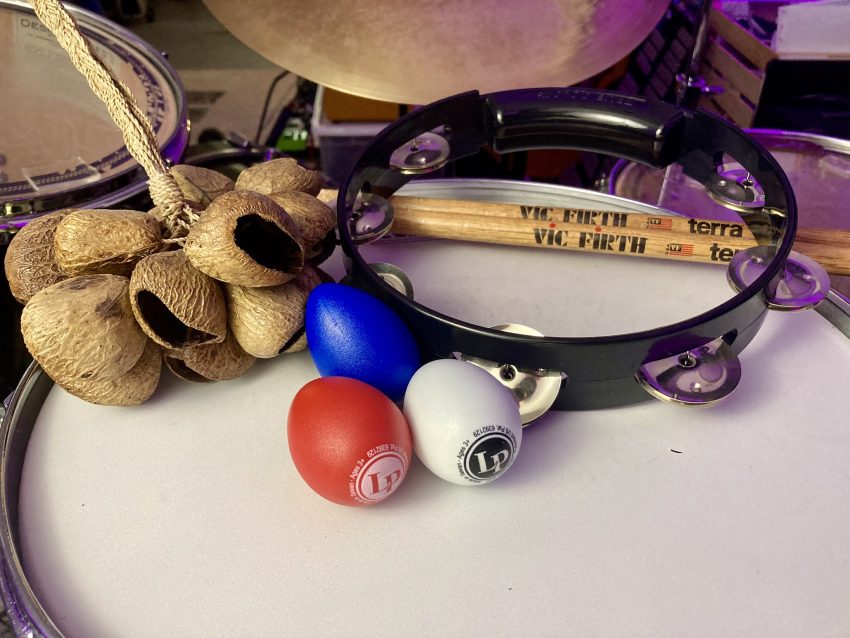
When you think of percussion in a recording, you probably picture a drum kit, maybe a conga player if things are getting spicy. But auxiliary percussion — a wide-ranging category that encompasses items like tambourines, shakers, cowbells, and wood blocks — is where you can quietly take a track from “good groove” to “why does this feel so good?” without anyone pointing at the exact reason. This isn’t about loading up a track with extra noise. It’s about movement, texture, and subtlety. Auxiliary percussion is the small stuff that changes the way the listener feels the rhythm.
Why Bother With Aux Percussion?
In a live setting, auxiliary percussion is often eye candy: the shaker player in the back, or a tambourine slaps along on the snare hits. In the studio, it becomes something else entirely. It’s glue. It fills gaps when your hi-hat part feels stale, bringing consistent top-end motion without crowding the mix. It can push energy forward — that tambourine on the two and four in a chorus can make the section jump without you pushing up every fader in sight.
Aux percussion also helps define space. When layered in stereo, it can give a track width without relying on heavy reverb. And because it’s an “in or out” type of element, you can drop it completely for a verse, then reintroduce it in the chorus or bridge for an immediate lift in energy.
Choosing the Right Tools
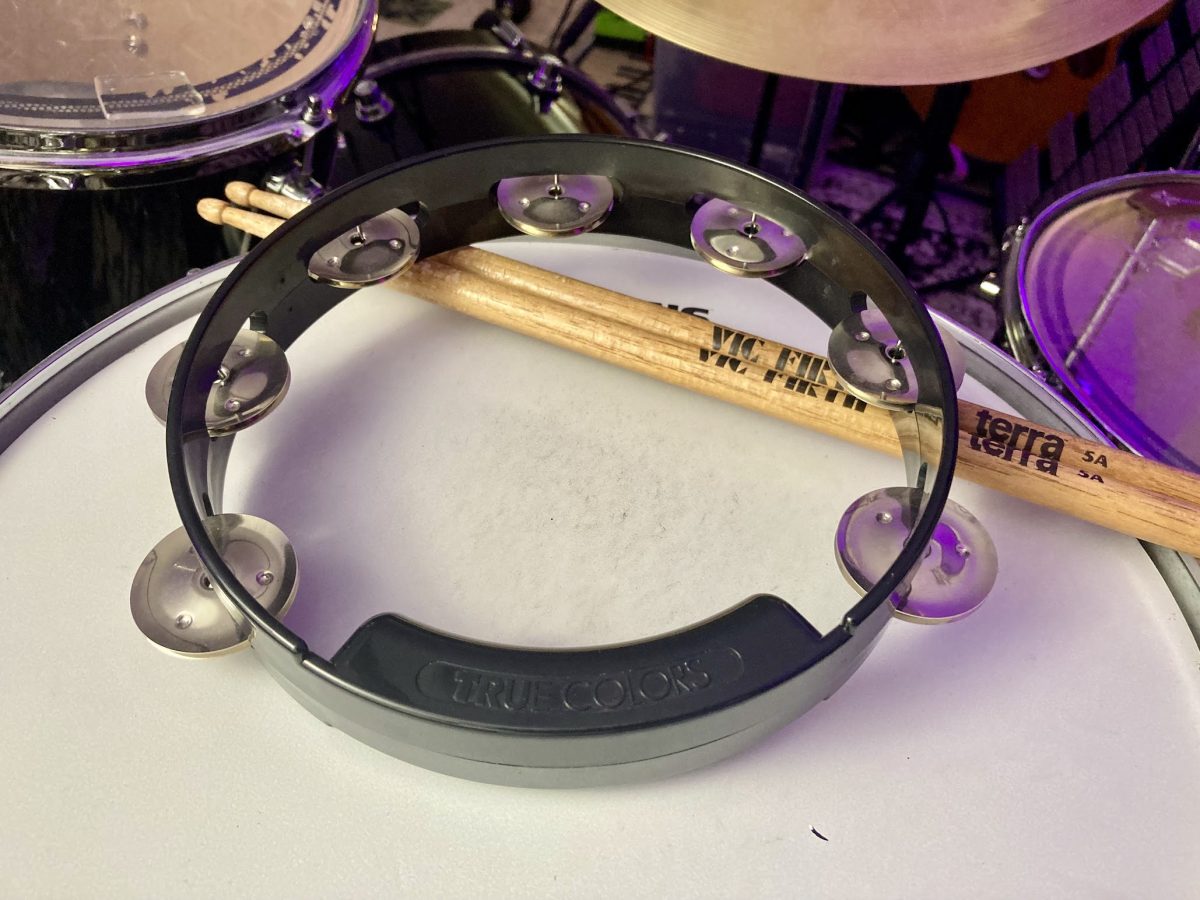
You don’t need a massive percussion locker to make a big impact. A few well-chosen pieces can handle most situations. A plastic-frame tambourine with steel jingles will give you a bright, cutting tone, while a wood frame with brass jingles will be warmer and less aggressive. The right choice depends on whether you want the tambourine to sit on top of the mix or blend into it.
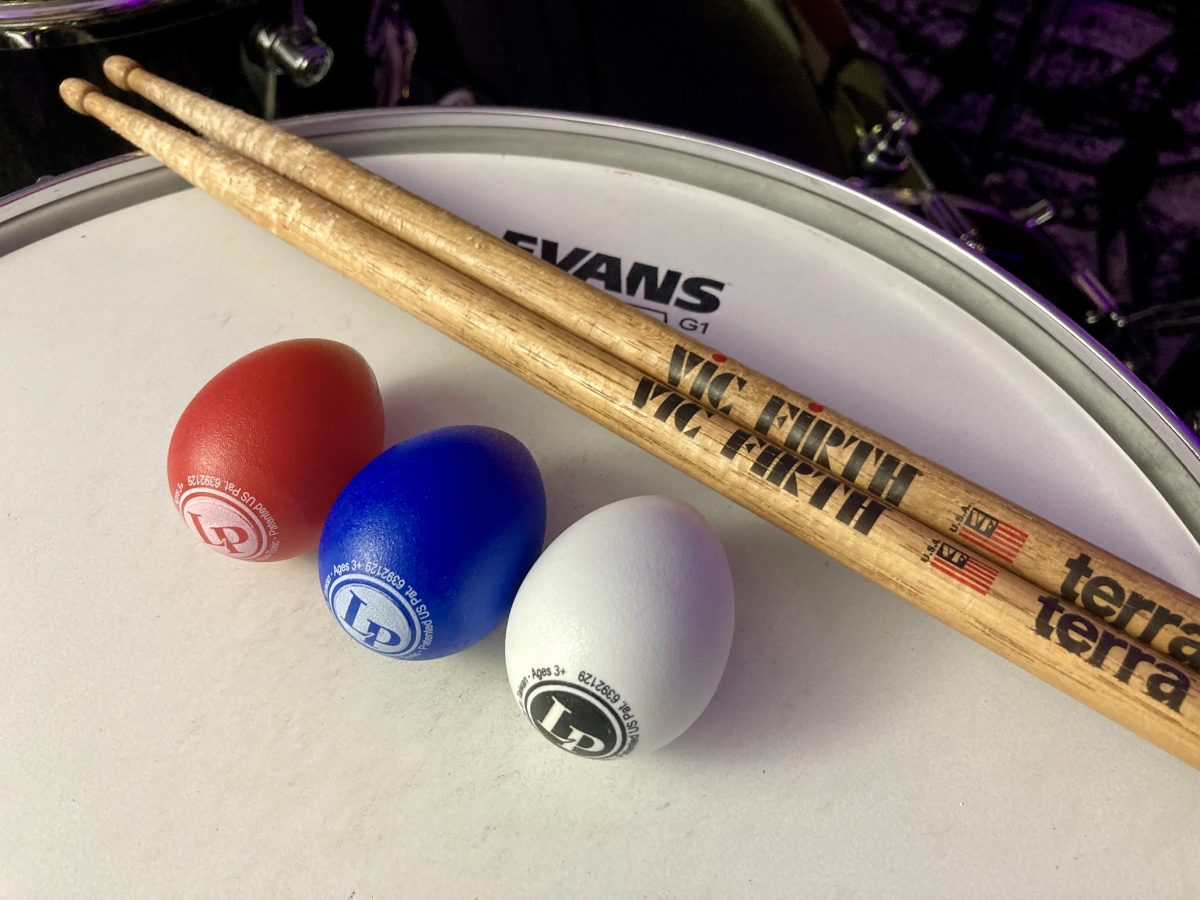
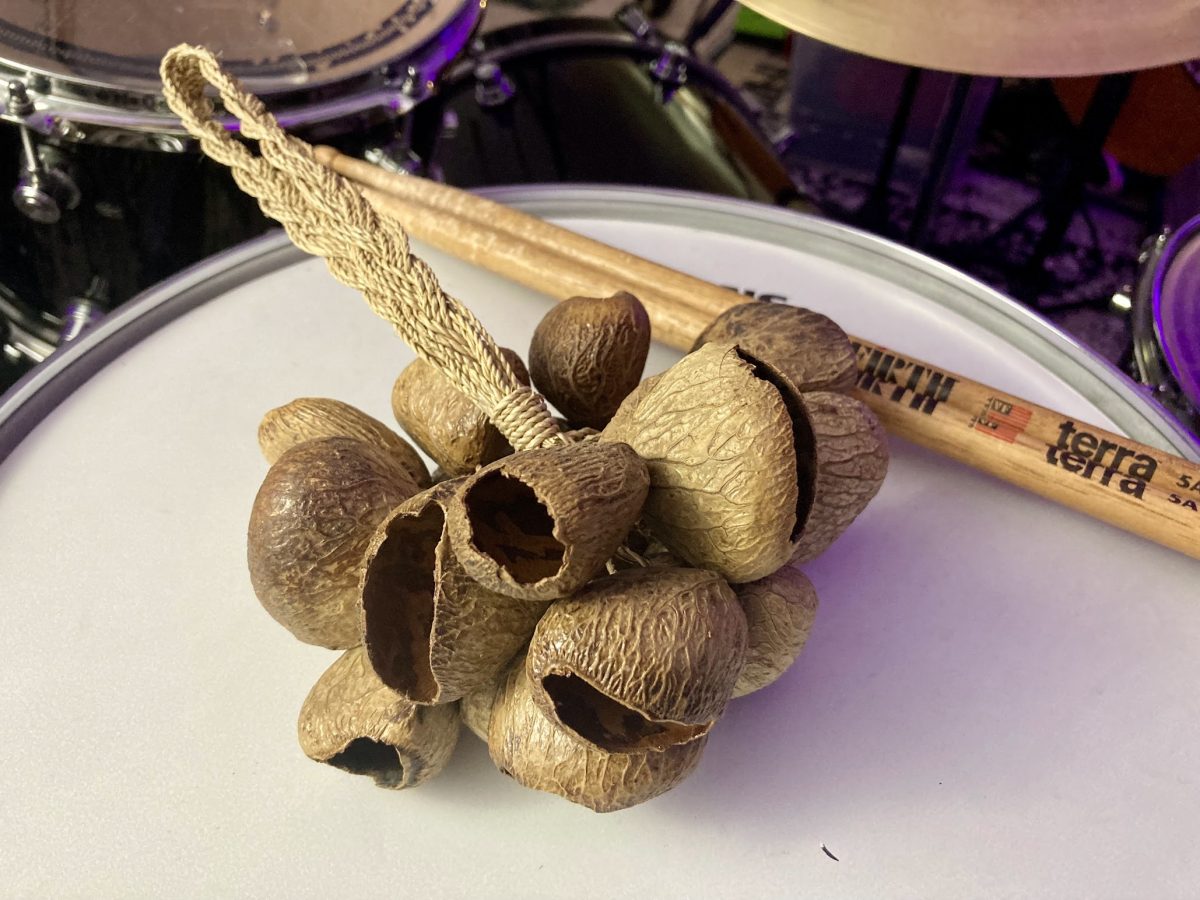
Shakers vary in tone and sustain. Egg shakers are tight and dry, while longer tube-style shakers create a more sustained wash that can live comfortably in a stereo spread. Cabasa adds a gritty, mechanical texture. A wood block gives you a sharp, defined click in an acoustic arrangement. Even a set of keys, or famously a packet of sugar can work in the right context. The main thing is to choose instruments that fit the song instead of forcing something in just because you have it lying around.
Tracking for Feel, Not Fuss
Recording auxiliary percussion is more about groove than technical overkill. If the part is played with confidence and pocket, the recording almost takes care of itself. A small-diaphragm condenser or a dynamic like the SM57 will capture enough detail without making the top end harsh. Placing the mic about a foot or two away lets you control transients while still picking up a bit of room air.
And while it’s tempting to hand a tambourine or shaker to whoever is hanging out in the control room, this is one of those “anyone can play it” myths that will sink your mix. The feel matters. A loose, out-of-time tambourine is more distracting than having none at all.
Mixing for Movement
Auxiliary percussion works best when it’s felt more than heard. Start by high-passing around 200 to 300 Hz to clear out low-end rumble you don’t need. A gentle boost in the 5 to 8 kHz range will bring out the articulation without making the track harsh. Light compression can help even out the hits, but keep the transient alive; that attack is what sells the groove.
A short, subtle reverb can add realism, while a stereo plate can make the part bloom in the mix if that’s the effect you want. Don’t be afraid to automate levels so the percussion rises in the chorus and drops back during verses. That ebb and flow keeps the track alive without overcrowding it.
Less Is More
The most effective use of auxiliary percussion often comes from restraint. A tambourine that appears only in the final chorus feels like a deliberate production choice instead of background clutter. By keeping these elements moving in and out of the arrangement, you give the song dynamic shifts without touching the core rhythm section.
Auxiliary percussion is one of the cheapest and fastest ways to give a recording depth and energy. A shaker or tambourine is an inexpensive investment that can add more groove than hours of EQ tweaks. Track it with intention, mix it with restraint, and let it work its subtle magic.



Leave a Reply